Ancient Texts Lack Hector Junior Pagan Net Worth Data: Bridging Myth and Modern Finance
In the vast digital landscape, search queries often lead us down intriguing paths, sometimes merging disparate concepts in unexpected ways. One such query that has piqued curiosity is the search for "hector junior pagan net worth" within the context of ancient texts. It's a fascinating juxtaposition: a name that evokes both classical mythology and contemporary identity, combined with a financial metric that is decidedly modern. This article aims to unravel this intriguing search, explaining precisely why ancient historical or mythological sources, like those detailing the heroes of the Trojan War, simply do not contain data on
Hector Junior Pagan Net Worth.
The Intersection of Ancient Lore and Modern Queries
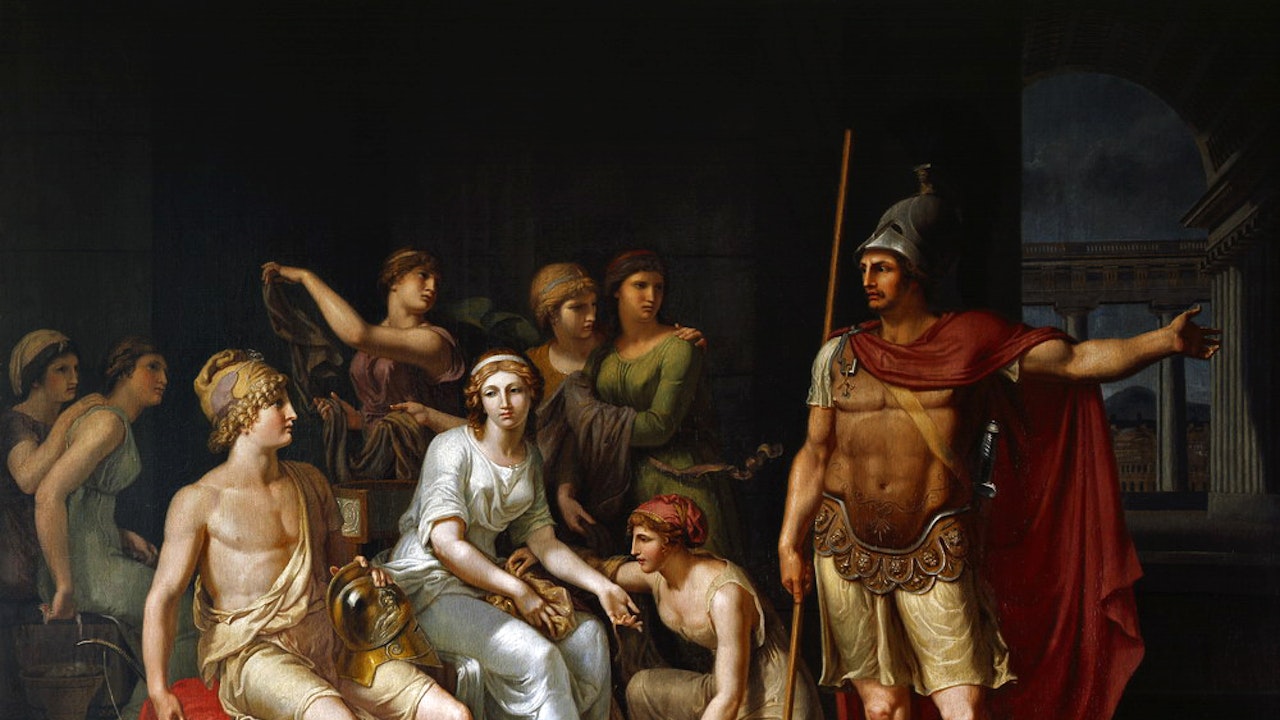
The name "Hector" immediately brings to mind the legendary Trojan prince and the greatest warrior of Troy, a central figure in Homer's epic poem, the *Iliad*. His bravery, noble character, and tragic fate are etched into the foundations of Western literature and mythology. Figures like Hector, Achilles, and Astyanax, Hector's son, populate narratives rich with epic battles, divine interventions, and profound human drama. These stories, passed down through generations and preserved in ancient manuscripts, offer invaluable insights into the values, beliefs, and societal structures of the ancient world.
However, the nature of these ancient texts is fundamentally different from modern financial databases or biographical directories. When we delve into sources like *Mythopedia* for information on Hector, Astyanax, or even his formidable adversary Achilles, we encounter tales of heroism, lineage, divine favor, and tragic flaws. We learn about their courage on the battlefield, their relationships with gods and mortals, and their ultimate destinies. What we *do not* find is any mention of a "hector junior pagan net worth." This isn't an oversight or a missing piece of data; it's a fundamental mismatch between the type of information preserved in antiquity and the specific financial metric being sought.
Why Ancient Texts Don't Track Modern Finances
The concept of "net worth" as a quantifiable measure of an individual's financial standing—assets minus liabilities—is a relatively modern construct. While ancient societies certainly had concepts of wealth, property, and economic standing, they did not maintain the kind of detailed financial records, particularly for individuals, that would allow for the calculation of a contemporary "net worth."
Ancient texts, particularly those focused on mythology and epic poetry, served different purposes:
- Storytelling and Entertainment: They aimed to entertain, inspire, and transmit cultural narratives.
- Moral and Ethical Instruction: They often contained lessons about virtue, honor, duty, and the consequences of hubris.
- Historical Record (often embellished): While some texts touch upon historical events, even these accounts are often filtered through a mythological or legendary lens, focusing on grand narratives rather than meticulous personal data.
- Religious and Ritualistic Context: Many myths explained the origins of the world, the gods, and human institutions.
Wealth in the ancient world was understood primarily through tangible assets: land, livestock, precious metals, and slaves. While an ancient prince like Hector would undoubtedly possess significant wealth by the standards of his time, expressed in terms of his palace, lands, and perhaps war spoils, there was no system for calculating a numerical "net worth" in the modern sense. Furthermore, the notion of "junior" or a specific surname like "Pagan" within the context of a mythological figure like Hector is anachronistic. Mythological figures typically had patronymics (e.g., "son of Priam") or epithets, not modern surnames or generational suffixes. This highlights
why mythology can't reveal Hector Junior Pagan Net Worth.
Unraveling the Name: "Hector Junior Pagan" – A Confluence of Eras?
The precise origin of the search term "hector junior pagan net worth" is intriguing. It combines a revered figure from antiquity with a modern generational identifier ("Junior") and a surname ("Pagan") that has historical connotations but is also a common contemporary surname. This blend suggests several possibilities for why such a search might be conducted:
1.
A Real, Modern Individual: The most straightforward explanation is that "Hector Junior Pagan" is the name of a contemporary person, and the searcher is genuinely looking for their financial information. If this is the case, the association with the mythological Hector might be coincidental, a unique naming convention, or even an intentional homage.
2.
A Misunderstanding or Misattribution: The searcher might mistakenly believe that a historical figure named "Hector Junior Pagan" existed and that records of his wealth could be found in ancient texts.
3.
A Unique Search String: Sometimes, search queries are generated through combinations of terms that don't logically fit together, perhaps from incomplete information or a desire to explore unusual connections.
4.
Fictional Character Research: Less likely, but possible, is that "Hector Junior Pagan" is a character from a modern work of fiction (book, game, film), and the search is for details about this fictional character's wealth within their narrative.
For those specifically seeking information on "hector junior pagan net worth," it's crucial to understand that if such a person exists today, their financial data would be found through modern research methods, not by parsing ancient Greek epics. The vast chasm between the mythological warrior Hector of Troy and any potential modern individual bearing a similar name and requiring a net worth assessment is immense.
Navigating the Digital Search for Financial Data
If your interest lies in finding the net worth of a contemporary individual named "Hector Junior Pagan," the approach needs to be entirely different from consulting mythological texts. Here are some practical tips and considerations for navigating such a search:
*
Identify the Correct Individual: Ensure you have the full, correct name and any distinguishing information (e.g., profession, location, age) to avoid confusion with others who might share a similar name.
*
Utilize Modern Search Engines Effectively: Use precise search queries. Instead of "hector junior pagan net worth ancient texts," try "Hector Junior Pagan [Profession] net worth" or "Hector Junior Pagan financial information."
*
Consult Reputable Financial News & Data Sites: For public figures, their net worth is often estimated and reported by financial publications (e.g., Forbes, Bloomberg, Celebrity Net Worth sites). These sites compile data from public records, stock holdings, property assets, and expert analysis.
*
Understand Public vs. Private Information: Be aware that for most private citizens, net worth information is not publicly available due. Privacy laws and personal discretion mean that such data is typically confidential. Only public figures (CEOs, celebrities, politicians, etc.) often have their estimated net worth disclosed due to public interest or regulatory requirements.
*
Distinguish Fact from Speculation: Online estimates of net worth can vary significantly and are often speculative, especially for less prominent individuals. Always cross-reference information from multiple reliable sources.
*
Verify the Context: If you find information, ensure it pertains to the *specific* Hector Junior Pagan you are looking for, as opposed to someone else with a similar name, or even a fictional entity.
By applying these strategies, you are far more likely to find relevant information about a modern "hector junior pagan net worth," if such information exists and is publicly accessible, than by re-reading the timeless sagas of ancient Greece.
Conclusion
The search for "hector junior pagan net worth" within the realm of ancient texts serves as a compelling reminder of the distinct purposes and limitations of different forms of historical and cultural records. While the epics detailing the lives of mythological figures like Hector, Astyanax, and Achilles offer unparalleled insights into ancient heroism, values, and storytelling, they predate the very concept of "net worth" as we understand it today. Therefore, any quest for "hector junior pagan net worth" from these venerable sources will inevitably lead to an absence of data. To find financial information on a person, one must turn to modern investigative methods and financial reporting, understanding the crucial difference between the legendary figures of antiquity and the individuals of the contemporary world.